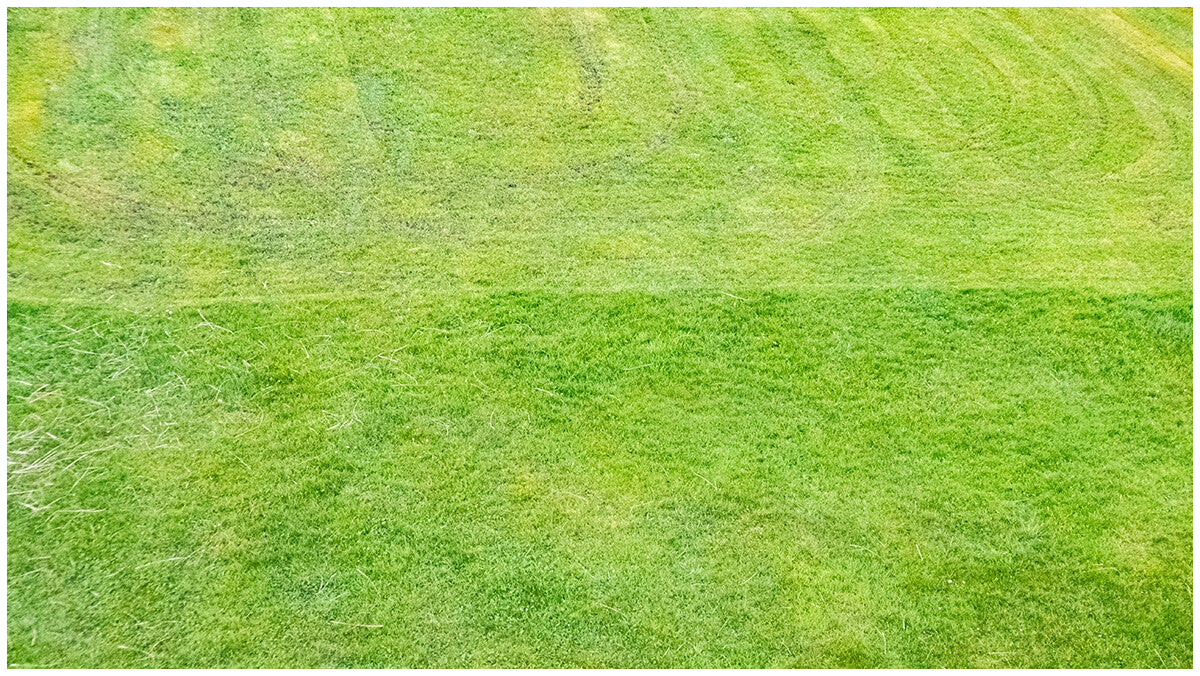
Landart
The Importance of Land Art
Land Art, also known as Earth Art, is an art movement that emerged in the late 1960s and 1970s. It involves creating artworks directly in the landscape using natural materials such as soil, rocks, sand, and vegetation. The importance of Land Art can be understood from several perspectives:
First, Land Art challenges traditional ideas of art. Instead of being displayed in galleries or museums, these works exist in nature itself. This shifts the focus away from commercial art markets and makes art less about ownership and more about experience.
Second, Land Art emphasizes the relationship between humans and the environment. Artists interact with natural surroundings, often highlighting ecological processes, the passage of time, and the impact of human activity on the Earth. This makes Land Art especially relevant in discussions about environmental awareness and sustainability.
Third, Land Art transforms how viewers experience art. Many works are large-scale and located in remote areas, requiring physical effort to visit. This creates a deeper, more immersive experience compared to viewing art in a traditional setting.
Finally, Land Art has influenced contemporary art and environmental practices. It has inspired artists, architects, and designers to think more creatively about space, nature, and the integration of art into the environment.
In conclusion, Land Art is important because it redefines what art can be, fosters a connection with nature, and raises awareness about environmental issues.

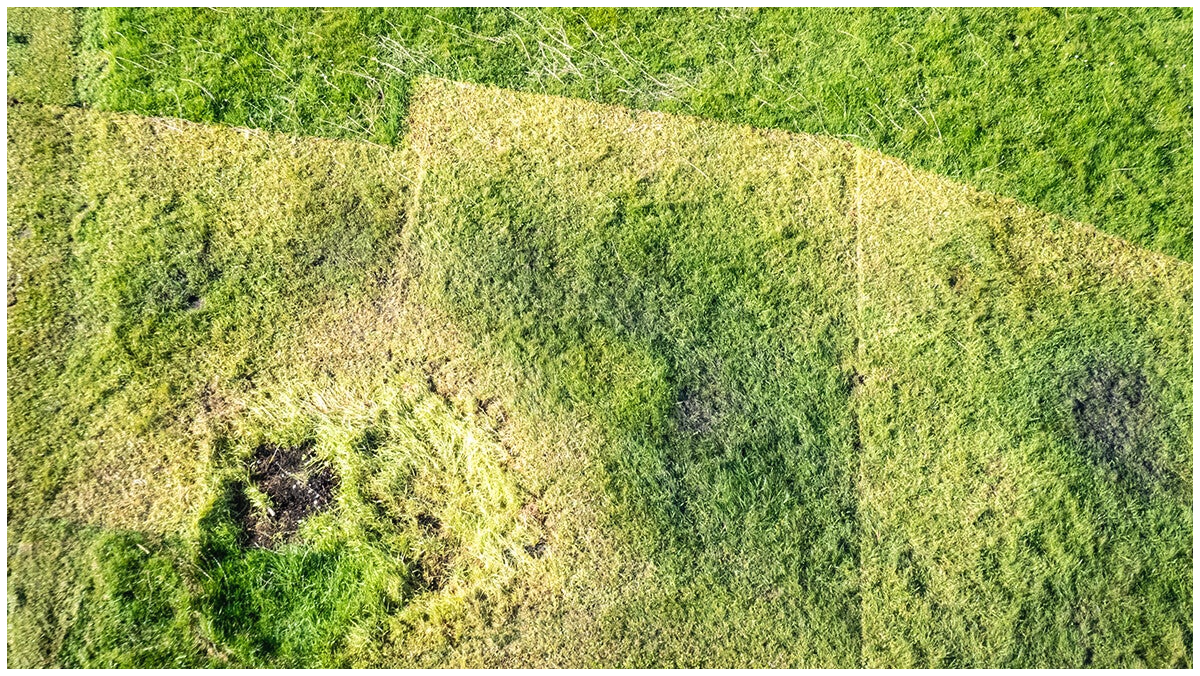
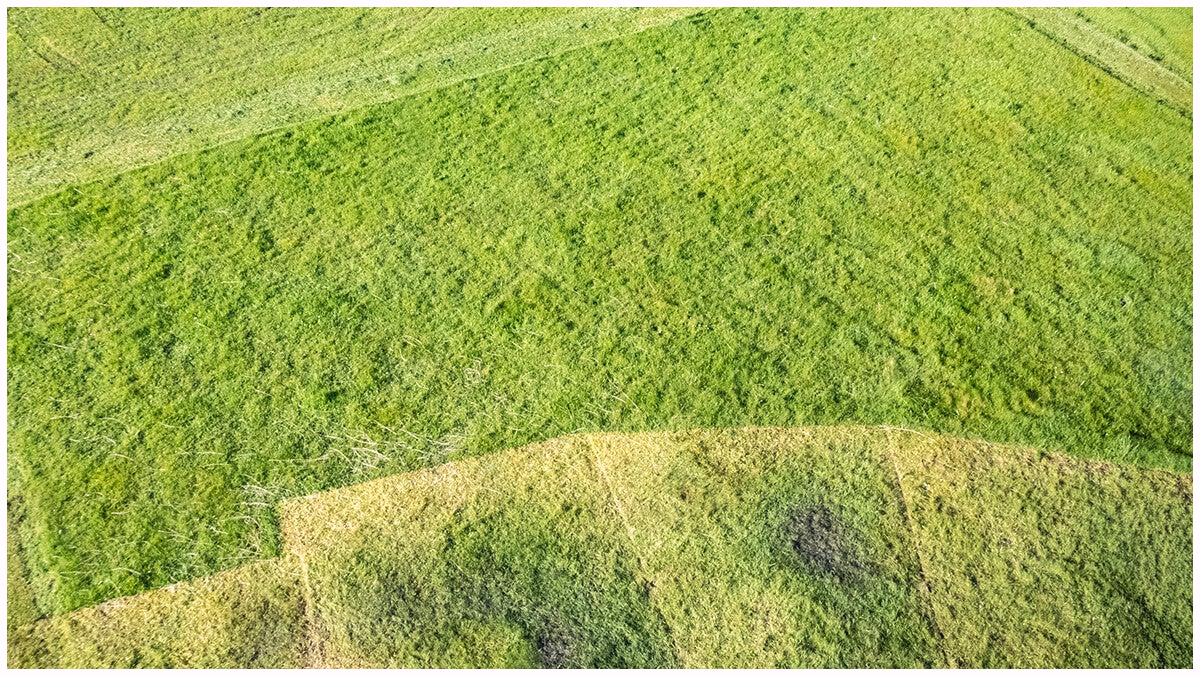
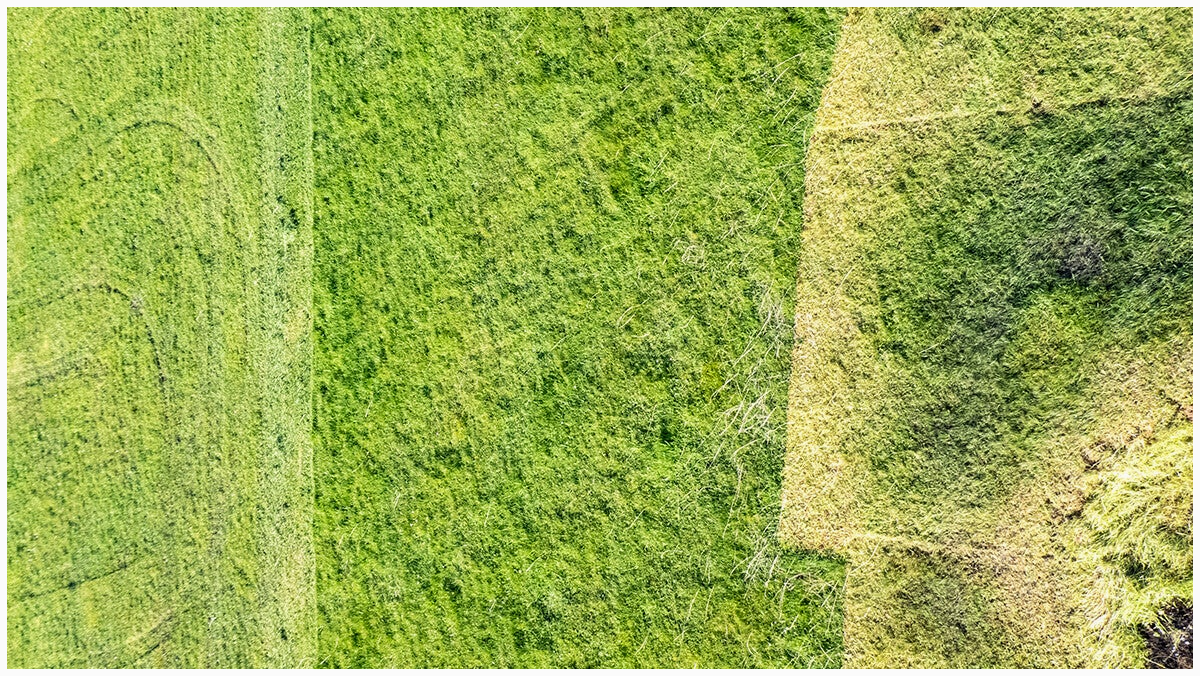
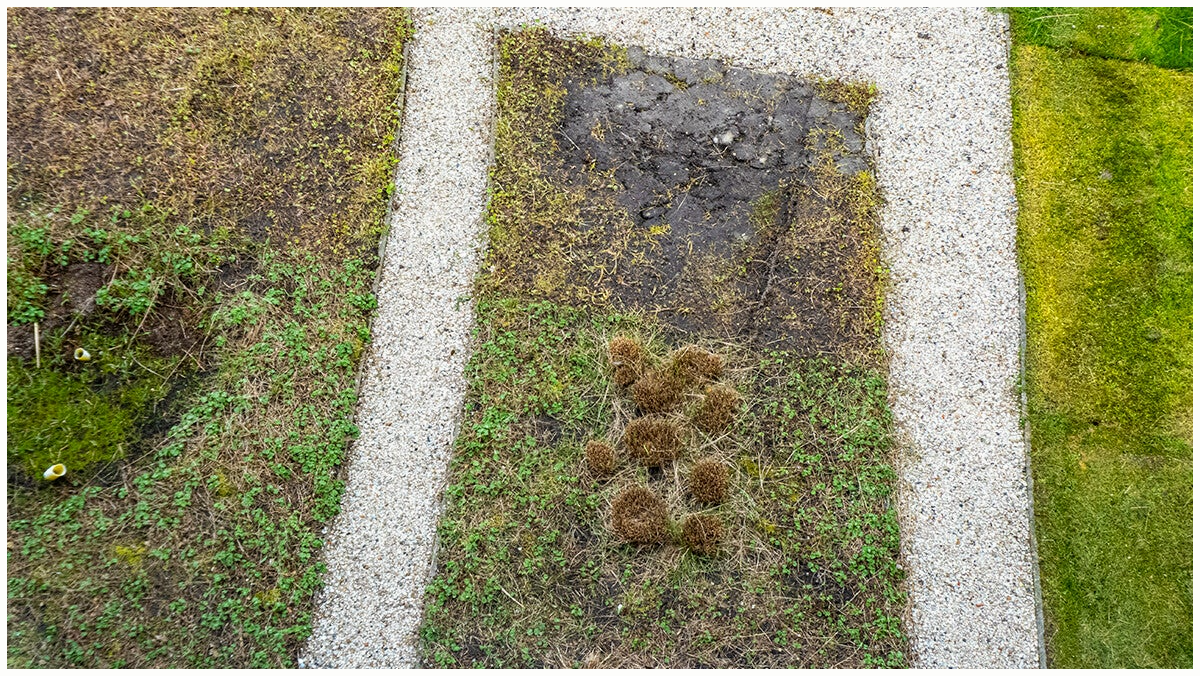
Some of my work